Bonjour visiteur !
Tu trouveras les informations concernant ton artiste et les artistes similaires sur le coté gauche.
Les albums se trouvent dans le bloc central. Enfin, je te laisse le choix des vidéos à lancer dans les 2 dernières colonnes.
N'hésite pas à partager ce site, ni à me contacter pour me suggérer des améliorations via les liens du pied de page.
Informations sur Arvo Pärt
Arvo Pärt
Arvo Pärt, né à Paide (Estonie) le 11 septembre 1935, est un compositeur de musique contemporaine. Il est associé au mouvement de musique minimaliste qui s'est formé dans les années 1970. Sa musique est épurée, d'inspiration profondément religieuse, qualifiée par certains de postmoderne,Ses œuvres ont été jouées dans le monde entier et ont donné lieu à plus de 80 disques compact : « Je pourrais comparer ma musique à une lumière blanche dans laquelle sont contenues toutes les lumières. Seul un prisme peut dissocier ces couleurs et les rendre visibles : ce prisme pourrait être l'esprit de l'auditeur » - (Arvo PART).
Arvo Pärt was born in Paide, Estonia, a small town near Tallinn, the country's capital, on 11 September 1935. In 1944, Estonia saw the occupation of the Soviet Union, which would last for over 50 years, and would have a profound effect on his life and music.
His musical studies began in 1954 at the Tallinn Music Secondary School, interrupted less than a year later while he fulfilled his National Service obligation as oboist and side-drummer in an army band. He returned to Middle School for a year before joining the Tallinn Conservatory in 1957, where his composition teacher was Professor Heino Eller. Pärt started work as a recording engineer with Estonian Radio, wrote music for the stage and received numerous commissions for film scores so that, by the time he graduated from the Conservatory in 1963, he could already be considered a professional composer. A year before leaving, he won first prize in the All-Union Young Composers' Competition for a children's cantata, Our Garden, and an oratorio, Stride of the World.
Living in the old Soviet Union, Pärt had little access to what was happening in contemporary Western music but, despite such isolation, the early 1960s in Estonia saw many new methods of composition being brought into use and Pärt was at the fore front. His Nekrolog was the first Estonian composition to employ serial technique. He continued with serialism through to the mid 60s in pieces such as the Symphony No. 1, Symphony No. 2 and Perpetuum Mobile, but ultimately tired of its rigours and moved on to experiment, in works such as Collage über BACH, with collage techniques.
Official judgement of Pärt's music veered between extremes, with certain works being praised and others, like the Credo of 1968, being banned. This would prove to be the last of his collage pieces and after its composition, Pärt chose to enter the first of several periods of contemplative silence, also using the time to study French and Franco-Flemish choral music from the 14th to 16th centuries: Machaut, Ockeghem, Obrecht, Josquin. At the very beginning of the 1970s, he wrote a few transitional compositions in the spirit of early European polyphony, like his Symphony No. 3 from 1971.
Pärt turned again to self-imposed silence, but re-emerged in 1976 after a transformation so radical as to make his previous music almost unrecognisable as that of the same composer. The technique he invented, or discovered, and to which he has remained loyal, practically without exception, he calls "tintinnabuli" (from the Latin, little bells), which he describes thus: "I have discovered that it is enough when a single note is beautifully played. This one note, or a silent beat, or a moment of silence, comforts me. I work with very few elements —with one voice, two voices. I build with primitive materials —with the triad, with one specific tonality. The three notes of a triad are like bells and that is why I call it tintinnabulation." The basic guiding principle behind tintinnabulation of composing two simultaneous voices as one line —one voice moving stepwise from and to a central pitch, first up then down, and the other sounding the notes of the triad— made its first public appearance in the short piano piece, Für Alina.
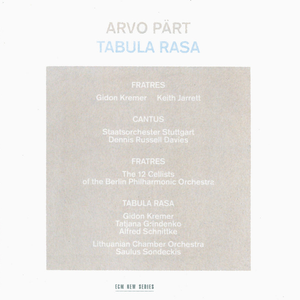
Having found his voice, there was a subsequent rush of new works and three of the 1977 pieces —Fratres, Cantus in Memoriam Benjamin Britten and Tabula Rasa— are still amongst his most highly regarded. As Pärt's music began to be performed in the west and he continued to struggle against Soviet officialdom, his frustration ultimately forced him, his wife Nora and their two sons, to emigrate in 1980. They never made it to their intended destination of Israel but, with the assistance of his publisher in the West, settled firstly in Vienna, where he took Austrian citizenship. One year later, with a scholarship from the German Academic Exchange, he moved to West Berlin where he still lives.
Since leaving Estonia, Pärt has concentrated on setting religious texts, which have proved popular with choirs and ensembles around the world. Among his champions in the West have been Manfred Eicher's ECM Records who released the first recordings of Pärt's music outside the Soviet bloc, Paul Hillier's Hilliard Ensemble who have premiered several of the vocal works and Neeme Järvi, a long time collaborator of Pärt who conducted the premiere of Credo in Tallinn in 1968 and has, as well as recording the tintinnabuli pieces, introduced Pärt's earlier compositions through performances and recordings.
Pärt's achievements were honoured in his 61st year by his election to the American Academy of Arts and Letters. He was nominated as 14th International Composer for the year 2000 by the Royal Academy of Music in London. In May 2003, he also received the "Contemporary Music Award" at the Classical Brit Awards ceremony at the Royal Albert Hall in London. (october 2009)
En savoir plus sur Last.fm. User-contributed text is available under the Creative Commons By-SA License; additional terms may apply.
Voir la fiche wikipédia.
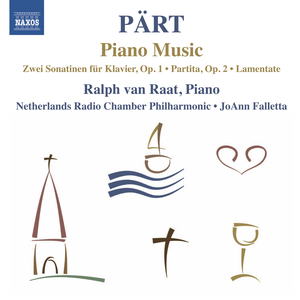
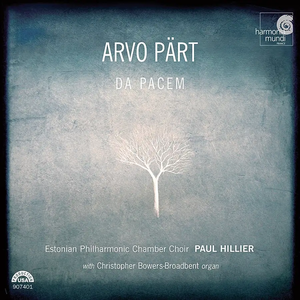
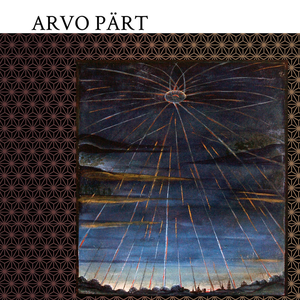
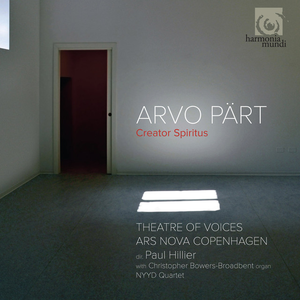
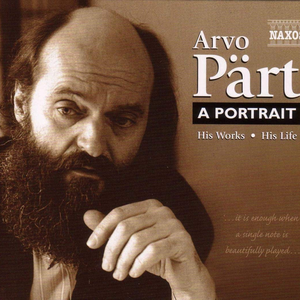
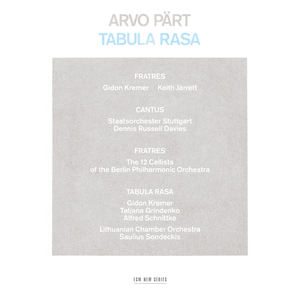
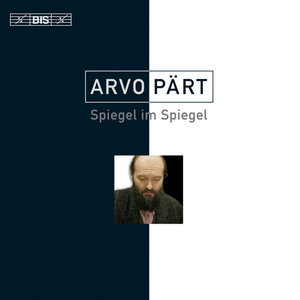
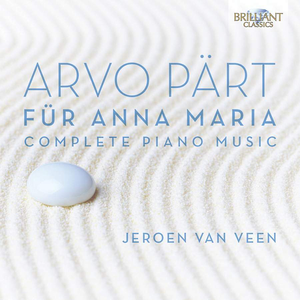
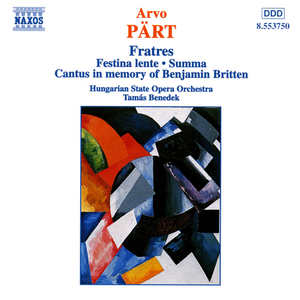
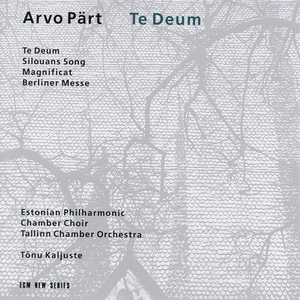
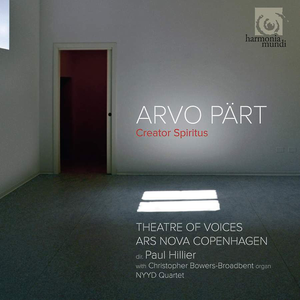
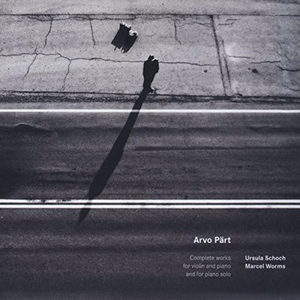
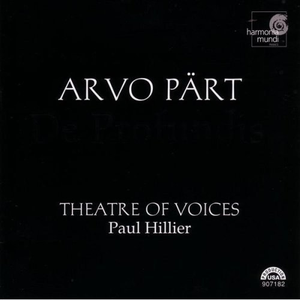
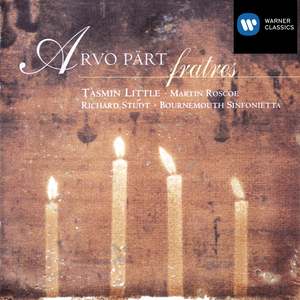
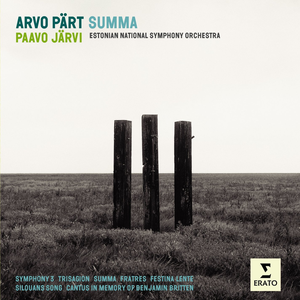
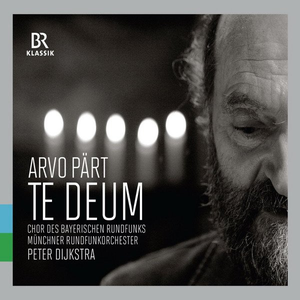
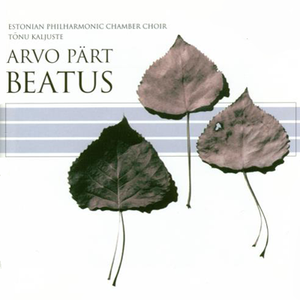
Albums de Arvo Pärt
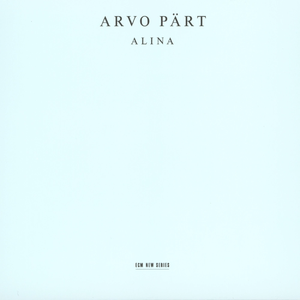
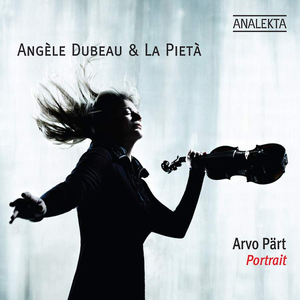
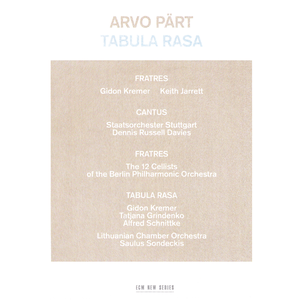
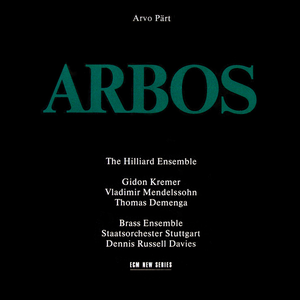
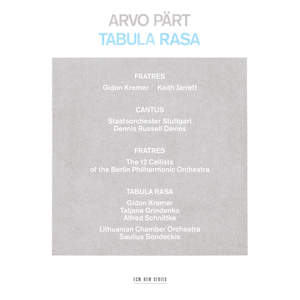
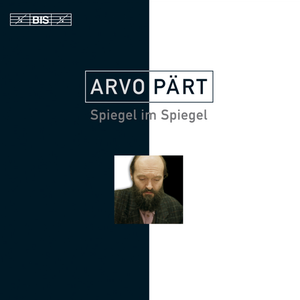
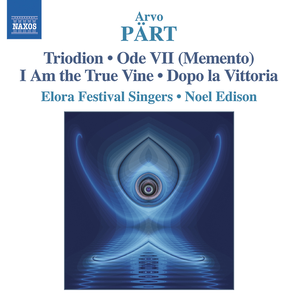
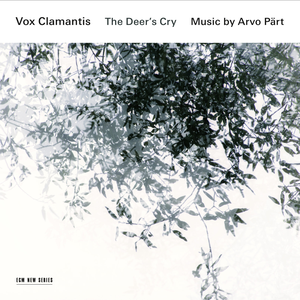
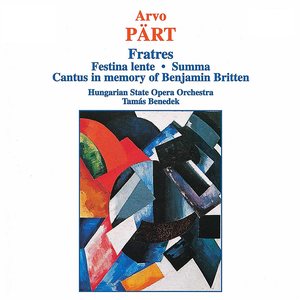
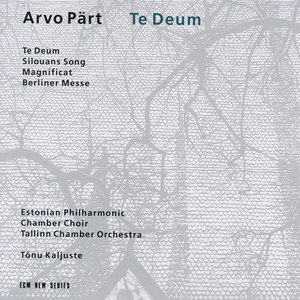
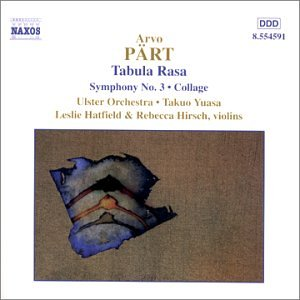
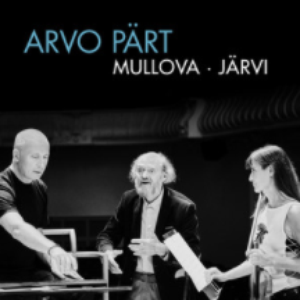
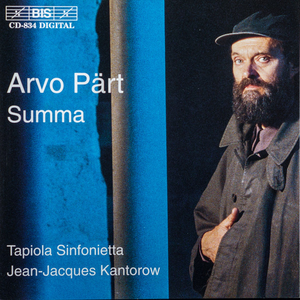
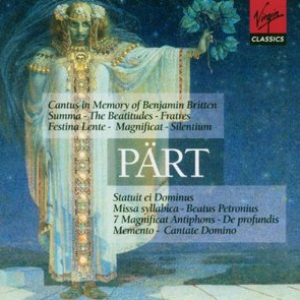
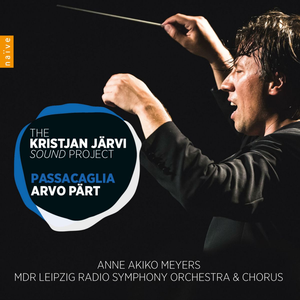


Artistes similaires à Arvo Pärt |
|
|---|---|
Henryk Górecki

|
Henryk Górecki |
|
Alfred Schnittke
|
Alfred Schnittke |
John Tavener

|
John Tavener |
Krzysztof Penderecki

|
Krzysztof Penderecki |
Philip Glass

|
Philip Glass |

|
|


Vidéos des albums de Arvo Pärt |
|
|---|---|
|
|
Vidéos des concerts de Arvo Pärt |
|
|---|---|
|
|